


Listen to this page (1 minute)
Farid explains the program in his own voice — what it is, who it's for, and how to reach out.
Listen to Farid's 50-second introduction.
The Innersight Initiative: Free Therapy for Vision Loss
Pro bono, one-on-one psychotherapy for adults experiencing vision loss, blindness, or the long adjustment to seeing less. Real sessions with a licensed therapist, at no cost to you.
The form takes about two minutes. Prefer to talk? Call (734) 531-8626.

Goal: to provide free, high-quality psychotherapy services to patients experiencing vision loss


The part of vision loss nobody prepares you for.
There's plenty of practical help out there. Mobility training. Screen readers. Paperwork for services you didn't know existed. What almost nobody talks about is how it feels.
Maybe it started with a word you had to ask the doctor to repeat: macular degeneration, glaucoma, retinitis pigmentosa. Or maybe it's been slow, one small loss at a time — the fine print, the night driving, the faces across a room.
Losing vision is a real loss, and grief is the honest response to it. You're allowed to grieve something you're still living with. Adults with vision loss face nearly double the rate of anxiety and depression compared to sighted adults, yet most go through the hardest stretch without ever talking to someone trained to help.
That gap is why this program exists.
What the Innersight Initiative is
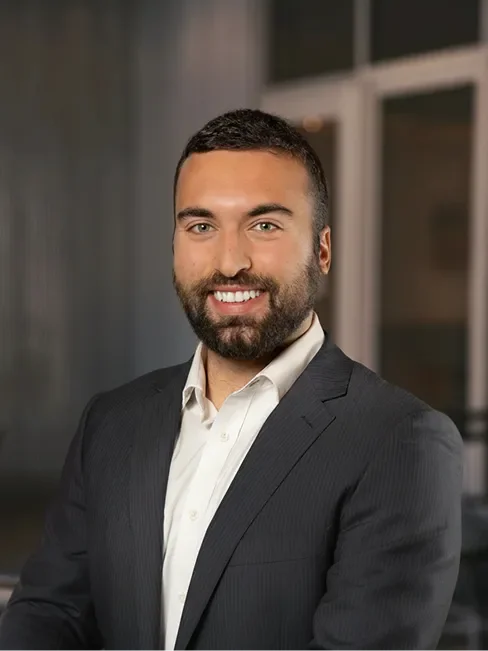
The Innersight Initiative is a pro bono program through my practice: free, private psychotherapy sessions for people experiencing vision loss, blindness, or the daily work of adjusting to reduced vision.
These aren't intro calls or a hotline. They're full therapy sessions with Farid Alsabeh, LLP, held by phone or secure video for adults anywhere in Michigan, shaped around whatever you're carrying:
Grief over what's changed, and fear of what might change next
Anxiety or low mood that showed up alongside the diagnosis
Questions of identity and independence — who you are when you can't drive, read your own mail, or do the work you used to do
Strain at home, when the people who love you don't quite know how to help
A support group has its place. So do family and friends. This is something different: an hour that belongs entirely to you, with someone whose only job is to help you carry it.

Farid Alsabeh, LLP
CLINICAL DIRECTOR

Who this is for
You don't need a referral, a specific diagnosis, or any experience with therapy. The program is for you if:
Your vision loss is recent and the ground still feels unsteady
You've been losing vision gradually for years, and it's wearing on you
You live with blindness and something new is weighing on you: a life change, a hard season, the fatigue of always adapting
One honest boundary: this isn't crisis care, and it doesn't replace your eye doctor or your medical treatment. If you're in crisis right now, call or text 988 (the Suicide & Crisis Lifeline) any hour, any day.
How it works
Three simple steps, at your pace.
Reach out.
Use the consultation form below or call (734) 531-8626. Either way, your message comes to me directly.
Have a free, 15-minute consultation call to discuss what's going on, what you're hoping for, and whether we're the right fit. No paperwork wall. No obligation.
We talk.
We schedule around your life, by phone or secure video. No bill follows.
Sessions begin.
What “free” actually means
✓ No fee
✓ No insurance forms
✓ No card on file, and no invoice later
Pro bono means I donate these sessions, full stop.
It also means spots are limited. If the program is full when you reach out, I'll tell you plainly and point you toward other support instead of leaving you on a silent waitlist.
Questions people ask
-
Yes. Sessions in this program are provided pro bono: no charge, no insurance billing, nothing to pay later. Any limits, like the number of free sessions, are explained upfront during your consultation call, so there are no surprises.
-
No. You don't need a doctor's referral, a formal diagnosis, or any prior therapy experience. If vision loss is affecting your life and you want support, you can reach out directly.
-
You talk with a licensed therapist, privately, about what you're going through, and we work on it together. No tests to pass, no couch clichés. Many people spend the whole first session just telling their story. That counts as progress.
-
A phone is enough. Sessions run by phone or secure video, whichever you prefer, and this page, the consultation form, and anything I send you are built to work with screen readers and magnification.
-
Yes — sessions are held virtually for clients located in Michigan, in line with licensure. If you're outside Michigan, reach out anyway and I'll do my best to point you toward support closer to home.
-
Vision loss lands on the whole household. If involving a spouse, parent, or adult child would help, bring it up in your consultation call and we'll decide together what makes sense.
-
If you need support beyond the program, I'll say so early and help you plan the next step: continuing care, a referral, or community resources. Nobody gets dropped without a plan.
Start with one message
The hardest part of getting support is usually the first message. This one takes about two minutes, and it commits you to nothing.
Or call (734) 531-8626.
In crisis right now? Call or text 988 — the Suicide & Crisis Lifeline is free, confidential, and available 24/7.